
Spain’s education system offers families several choices, but for those considering state-supported education, the decision often comes down to public schools (colegios públicos) and concertado schools (colegios concertados). While both receive government funding, their structure and costs vary significantly. If you’re moving to Spain or considering different schooling options for your child, this guide breaks down the differences and helps you decide which is the best fit.
What Are Public Schools in Spain?
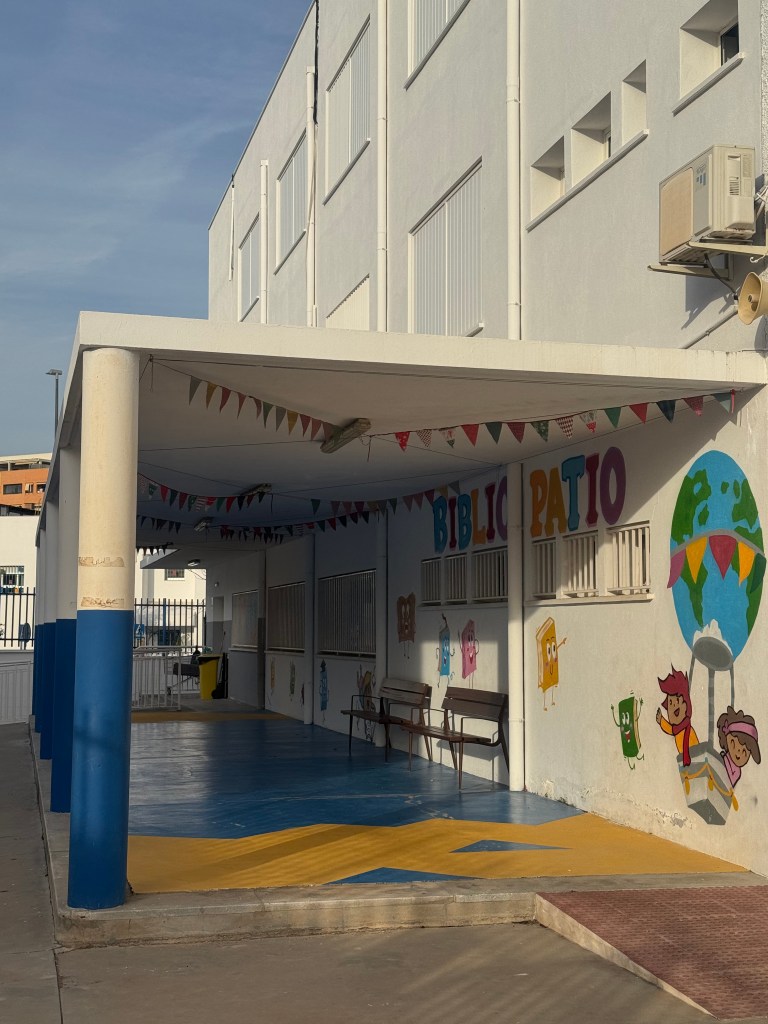
Public schools (colegios públicos) are fully funded by the Spanish government and provide free education to all residents. These schools follow the national curriculum set by the Ministry of Education and are acceptrance is based on a points system with zoning (catchment areas) being the most important factor.
Key Characteristics:
- Completely free (except for minor material costs and optional activities).
- Follow the Spanish national curriculum.
- Offer bilingual programs in some regions, but Spanish is the primary language of instruction.
- Enrollment is based on proximity to the school and other criteria, such as siblings attending the same school, family size and structure, and income, among other things.
- Larger class sizes in some areas due to high demand.
What Are Concertado Schools?
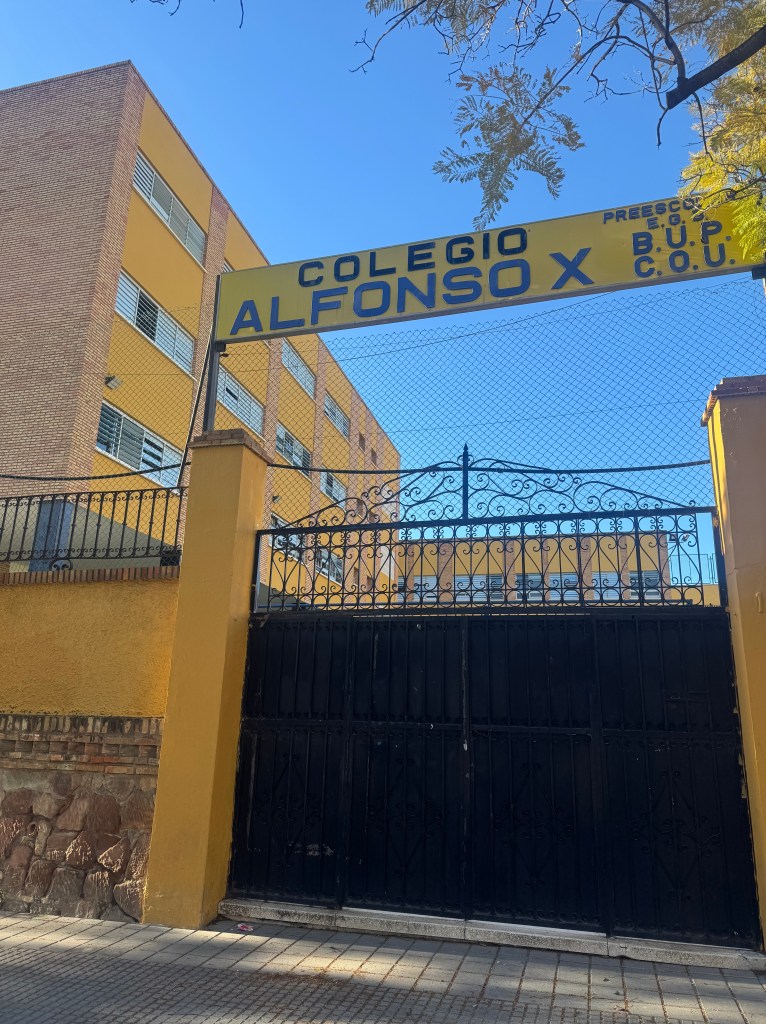
Concertado schools are semi-private institutions that receive government funding but also charge additional fees to families. They are often run by religious organizations or private foundations but must adhere to certain public education guidelines.
Key Characteristics:
- Partially funded by the government, but parents may need to pay monthly fees (typically €50-€300) to cover dining, activities, books, transportation, etc.
- Often associated with religious institutions, though some are secular.
- Often have a wider range in extracurricular offerings.
- Class sizes are often smaller than public schools.
Key Differences Between Public & Concertado Schools
| Feature | Public Schools | Concertado Schools |
|---|---|---|
| Cost | Free (except for materials) | Monthly fees + extracurricular costs |
| Curriculum | Standard Spanish curriculum | Follows national curriculum with added flexibility |
| Language | Mostly Spanish; some bilingual options | Often more comprehensive programs available |
| Class Sizes | Can be large, especially in high-demand areas | Often smaller than public schools |
| Religious Affiliation | Secular | Often religious (but not always) |
| Enrollment | Based on catchment areas | Based on catchment areas |
Factors to Consider When Choosing
When deciding between public and concertado schools, consider the following:
- Budget: Can you afford the extra costs of a concertado school?
- Language Preferences: Would your child benefit from a more structured bilingual program?
- Class Size & Teaching Style: Does your child thrive in larger or smaller classroom settings?
- Location & Admissions Process: Are there good options available in your catchment area?
Applying Outside of the March Enrollment Period
If you missed the standard March application period for public schools, you can still apply through a late enrollment process. Spaces are assigned based on availability, and some schools may have long waitlists.
If you need help navigating this process, Españaula offers step-by-step guidance for late enrollment applications.
Next Steps
Choosing between public and concertado schools depends on your family’s priorities. Both options provide quality education, but factors like cost, class size, and curriculum flexibility can make one a better fit than the other.
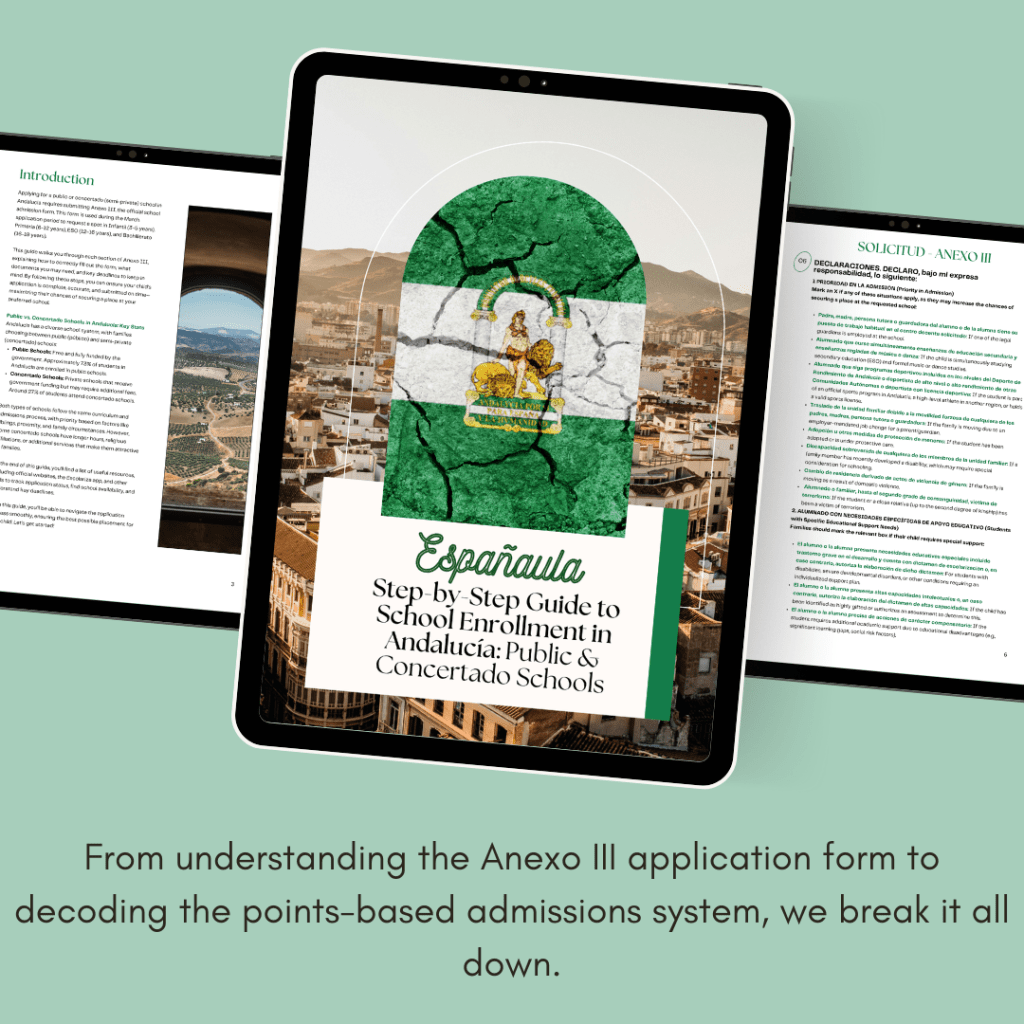
📌 Need expert guidance on the enrollment process? Españaula helps families navigate Spain’s education system with personalized support, school research, and application assistance. Get our step-by-step guide to submitting Anexo III for late enrollment today! 🚀




 Españaula Blog: Your Guide to Schools & Education in Málaga & the Costa del Sol
Leave a comment