A Misnomer
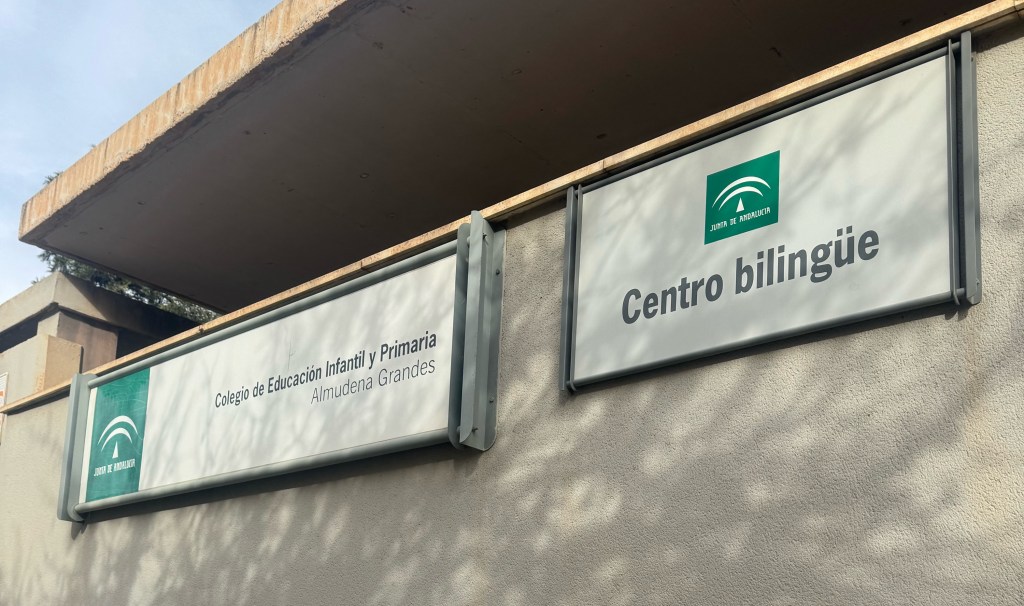
One of the questions I hear most from parents coming to the area and beginning their school search is, what are some bilingual public schools to consider? The natural assumption is that a “bilingual school” would in fact offer a true bilingual education. The reality here is far different.
If you’re considering bilingual education on the Costa del Sol, this post is for you.
What “Bilingual” Really Means in Public Schools
There are quite a designated bilingual primary schools in the public system, however “bilingual” often refers to just a few subjects (like science or art) being taught in English. But here’s the catch:
- Teachers may not be fluent speakers (though native speakers from the NALCAP teaching program do get placed in these schools)
- Materials might be translated, not taught naturally in English.
- The rest of the school day—playground, support services, and most communication—is in Spanish.
Parent Insight: I hear many parents describe their child’s “bilingual” experience as more like “Spanish with a splash of English.”
This can come as a surprise to many international families expecting a more evenly split language model. That’s why I always recommend going beyond the label and asking detailed questions during school visits.
Why Public Schools Can Still Be a Great Option
Despite these limitations, public schools can still be an excellent fit for many families—especially those who:
- Want their children to be fully immersed in the Spanish language and culture.
- Are planning to stay in Spain long-term.
- Have children who adapt easily and enjoy language learning.
- Prefer smaller, community-based schools.
Public schools are free, often walkable from home, and rooted in the local community. Many have dedicated and caring staff, enrichment programs, and a strong sense of neighborhood connection. If you understand what bilingual really means and manage expectations, a public bilingual school can provide both language exposure and a meaningful social experience.
Concertado Bilingual Schools: A Middle Ground
Semi-private (concertado) schools vary widely. Some offer stronger bilingual programs, often with dedicated English staff or CLIL (Content and Language Integrated Learning) models. However:
- Spots fill up quickly, especially in desirable areas.
- Concertados are often religious, which may be a con for some families.
- Language quality still depends heavily on individual teachers.
Tip: Always ask how much of the curriculum is taught in English and whether native teachers are involved. Check if the school uses official bilingual textbooks or simply translates materials on the go.
Private & International Schools: True Bilingual or Multilingual Options
If true bilingual education is a top priority, private and international schools tend to deliver:
- Native or near-native teachers.
- More immersive English/Spanish or multilingual environments.
- Cambridge, IB, or American curricula in some cases.
- Smaller class sizes and more individual attention.
The trade-off, of course, is cost. Annual tuition can range from €3,000 to over €15,000 depending on the school and grade level.
From the Consultant’s Side: Some families who start in public schools eventually transfer to private when language support doesn’t meet expectations—or when their child struggles to adapt. Alternatively, some families start out in a truer bilingual curriculum, and switch to public when their child’s Spanish doesn’t develop. Sometimes it is a matter of trial and error.
What to Ask on a School Visit (Checklist for Parents)
Whether you’re visiting a public, concertado, or private school, keep these questions in your back pocket:
- How many subjects are taught in English, and at what grade levels?
- Are there native English-speaking teachers on staff?
- What language is used for emotional support, conflict resolution, and counseling?
- How is Spanish as a second language supported for non-native speakers?
- Can my child move between language tracks later on if needed?
📩 Explore school services or reach out to book a consultation today.


 Españaula Blog: Your Guide to Schools & Education in Málaga & the Costa del Sol
Leave a comment