For families moving to Spain, especially those unfamiliar with the local education system, religion in a government-funded schools can be a surprise. While Spain is officially a secular country, the legacy of its Catholic heritage is still present — particularly in the school system. While there are many public schools that do not have any religion class whatsoever, many do offer this.
Religion in Public and Concertado Schools
In some public schools (colegios públicos) and semi-private schools (concertados), families are given a choice between:
- Religión (typically Catholic-based instruction)
- Valores Sociales y Cívicos (a secular alternative focused on ethics, citizenship, and social values)
This choice is usually made at the start of the school year and can be updated later. In most cases, both options are taught during the same time slot, so children are not singled out.
In practice, the religion class:
- Often focuses on Catholic teachings, holidays, and traditions
- May include religious songs or prayer (depending on the school and region)
Why is Religion Still in Public Schools?
The presence of religious education in public schools is largely due to agreements between the Spanish government and the Catholic Church, dating back to the 1970s and 80s. While Spain is no longer a confessional state, these agreements allowed for Catholic religious instruction in public education as long as it’s voluntary.
Some concertado schools — especially those run by Catholic organizations — may place a stronger emphasis on religion, incorporating it into the school’s culture, values, or daily routines. In these cases, while it may still be optional, though not always if the school is run as a Catholic institution, opting out might feel more socially noticeable.
What About Other Religions?
Instruction in other faiths (like Islam or Evangelical Christianity) is technically possible in public schools, depending on demand and teacher availability, but in reality, it’s rare. Most children who don’t opt into Catholic Religión simply attend Valores.
It’s also important to note:
- Religious symbols (like crosses or nativity scenes) may still be present in classrooms
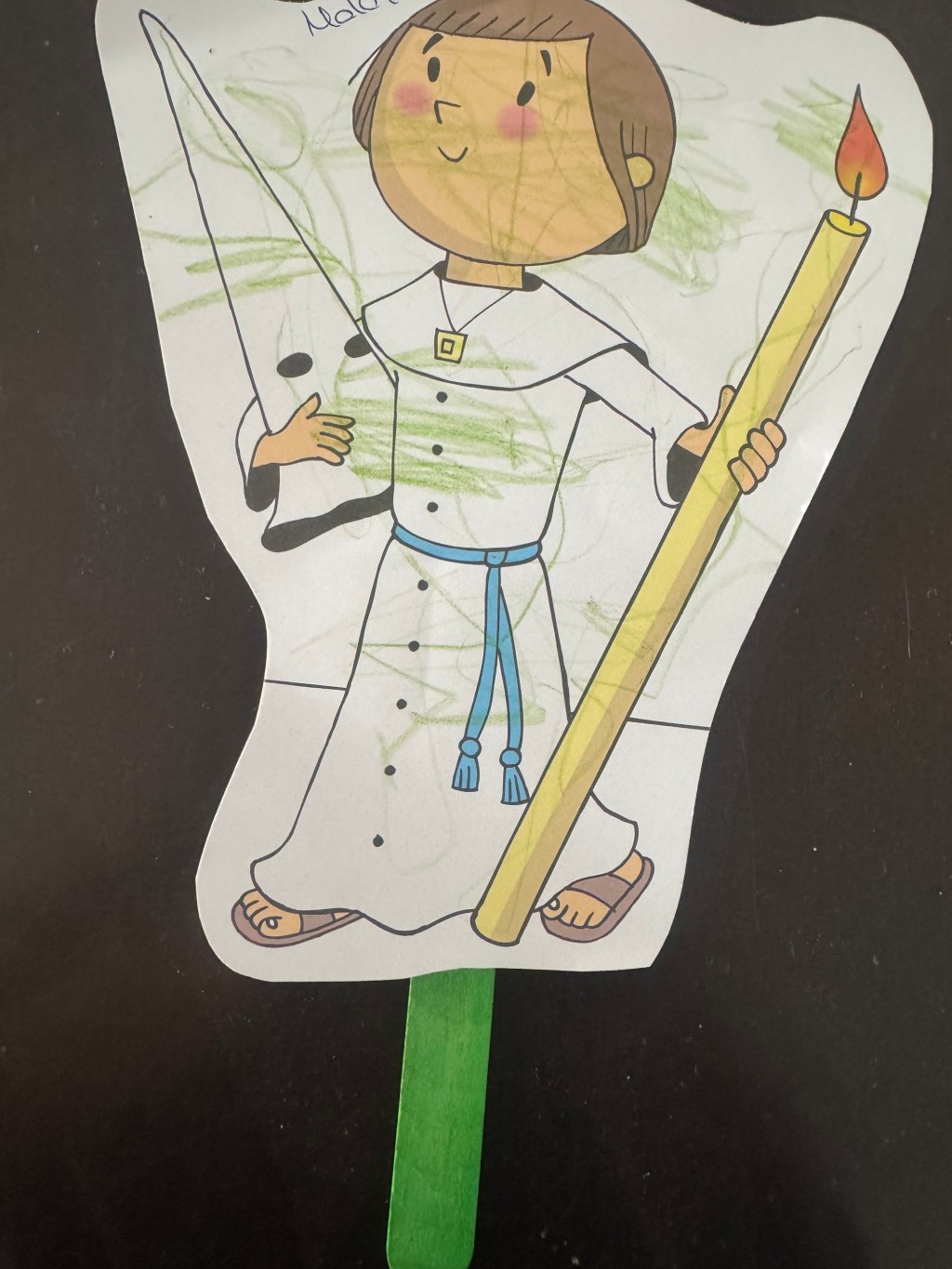
- Some school celebrations reflect Catholic traditions (Christmas, Easter). Even if a child has opted for a civics or values class, it’s still possible they might color a religious coloring sheet or participate in an activity based on a Catholic celebration.
What Should Families Consider?
If you’re deciding whether or not to enroll your child in religious education in Spain, ask yourself:
- Do I want my child to learn about Catholic beliefs and traditions? Even if I don’t prefer it, am I okay with it? These might be different answers and can help guide your decision.
- Would a fully secular alternative better match our family’s values?
- Am I considering a concertado with a stronger religious identity? If you are considering a concertado school, make sure to understand this component. Some concertado schools, while Catholic, are more values-based than daily biblical teachings. For some non-practicing families, this works within their comfort level.
When in doubt, talk to other families at the school or ask the director directly. You can always adjust your choice later.
Need help choosing a school that fits your family’s values?
Españaula offers personalized guidance for school selection and enrollment in Málaga and the Costa del Sol.
👉 Learn more about our services or reach out for a consultation.
Join our online community to ask questions from parents who have been in your shoes!


 Españaula Blog: Your Guide to Schools & Education in Málaga & the Costa del Sol
Leave a comment