
As someone who has worked closely with children and families navigating special education and supports in the U.S., I’ve seen firsthand the difference the right support can make. Whether you’re moving here with an existing diagnosis or just starting to explore your child’s learning needs, understanding how the Spanish system works is essential — and it’s not always a one-to-one match with what you may be used to.
Yes, Spain Has Public Support — But It Looks Different
Spain offers special needs services in the public system, including support teachers, speech-language therapy, classroom accommodations, and access to specialists when deemed appropriate. These services are often coordinated through a school’s equipo de orientación, a team that evaluates and monitors student needs.
However, there are a few key differences families should be aware of:
- Services can be limited by staffing and regional availability. Many families report delays in accessing support or find that therapy hours are very minimal. On the other hand, other families find themselves in a public school with an abundance of resources and support.
- You’ll likely need to advocate persistently (though this is no different than anywhere else).
In Spain, there is no direct equivalent to the U.S. Individualized Education Program (IEP). However, public schools — and occasionally concertado schools — do provide support for students with special educational needs through a system of curricular adaptations and support plans.
There are two main types of adaptations:
Adaptación Curricular Individualizada (ACI)
This is the most common type of academic support plan for students with learning difficulties, developmental delays, or other challenges that affect school performance.
- What it includes:
Adjustments to the content, objectives, evaluation criteria, and sometimes the pace of instruction for a specific subject or area.
For example, a child may learn math concepts at a simplified level or be assessed with modified expectations. - Who qualifies:
Typically reserved for students with a documented diagnosis — such as ADHD, dyslexia, autism, or intellectual disability — following a psychoeducational evaluation from the school’s equipo de orientación or an external professional. - Limitations:
ACIs often depend on school resources and vary in implementation. Some schools are better equipped than others to provide targeted support.
Adaptación de Acceso al Currículo
These are access-related adaptations — not to the curriculum itself, but to the way students engage with it.
- What it includes:
Adjustments to physical space, communication tools, or classroom materials for students with sensory or physical disabilities. For example, providing visual aids, allowing use of assistive tech, or seating accommodations.
How They’re Created
Unlike an IEP, which is a legal document collaboratively developed with the family, these adaptations are often designed internally by the school based on the recommendation of the school psychologist.
Families may or may not be closely involved in the planning, and the level of communication varies by school. It’s often up to the parents to advocate for appropriate adaptations and follow-up.
Flexibility but Less Structure
This system offers flexibility, but also lacks the formality and legal protection found in countries like the U.S. or U.K. There are no annual review meetings, no goals or services tracked formally, and enforcement depends heavily on school leadership and available resources.
Public schools often provide the most structured pathway to special needs support, but the process can be slow and is often influenced by regional resources and school-level discretion.
When Private School May or May Not Be the Right Fit
Some families assume private schools offer more flexibility — but this isn’t always the case. In fact, many private and concertado (semi-private) schools in Spain do not have robust special education teams, and may be less equipped to support students with diverse learning needs. Additionally, some private schools simply won’t offer any accommodations whatsoever.
That said, a fewprivate schools, such as Shine International Academy and St. Anthony’s College in Mijas, are known to offer more individualized attention and are open about their support for neurodivergent students.
Still, it’s critical to ask very specific questions when touring or researching schools:
- How do you support students with learning differences?
- Do you have a full-time orientation team or SEN staff?
- What types of adaptations do you provide?
- Are families allowed to bring in private support?
Why Many Families Combine Public School + Private Support
Even with public school services in place, families supplement with private professionals to better meet their child’s needs — especially when navigating ADHD, autism, speech delays, or learning differences like dyslexia.
Some of the most commonly used private supports include:
- Speech & language therapists
- Educational psychologists
- Neurodevelopment specialists
- Tutors for academic support
- Behavioral support professionals or shadow teachers (when allowed by the school)
Here are a few well-regarded private practices in Málaga and the Costa del Sol that offer support services for children with learning differences, speech delays, behavioral challenges, or other special needs:
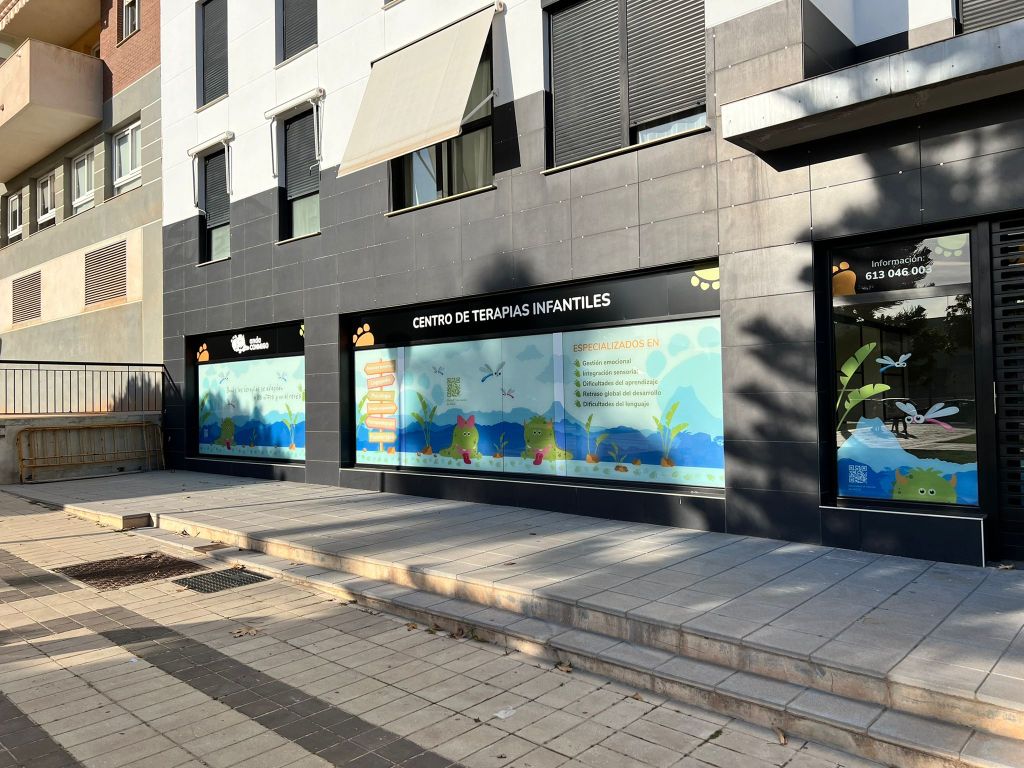
Anda Conmigo
Location: 81 locations throughout the country, 5 in Málaga province
Services: Neurodevelopmental therapy, ADHD support, learning difficulties, neuropsychological assessments
Website: Anda CONMIGO
Why it’s helpful: Offers individualized programs and full evaluations in Spanish, including support with executive functioning and academic challenges, therapy, and support for the family.
EducaOrienta
Location: Av. del Editor Ángel Caffarena, 29, Local 1, Málaga, Andalucía 29010
Services: Educational psychology, behavior support, family counseling, tutoring for neurodivergent learners
Website: EducaOrienta – Center for Psychology and Education in Malaga
These services help bridge the gap between what’s offered in the school and what your child may actually need to thrive. They can also provide consistency and a more proactive plan for progress — something that’s especially important if you’re used to structured intervention plans in the U.S.
Supporting a child with special needs in Spain is possible — but it requires knowledge, patience, and often creativity. The public system can offer valuable services, and for many children, it’s the best place to start. But pairing it with trusted private professionals can make a meaningful difference in your child’s learning experience and well-being.





 Españaula Blog: Your Guide to Schools & Education in Málaga & the Costa del Sol
Leave a comment