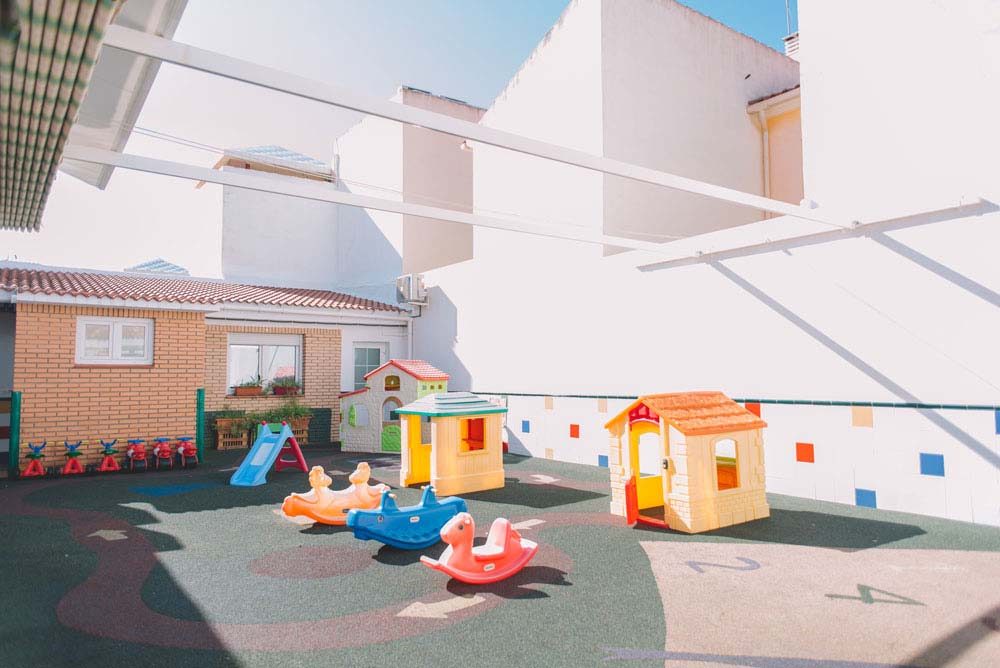
If you’re living in Spain or planning a move with a baby or toddler, you may be wondering what childcare or early education options exist before age 3. I’ve navigated this process both personally and professionally — and I can tell you, the 0–3 stage (Primer Ciclo de Infantil) is incredibly valuable.
What Is Primer Ciclo de Infantil (0–3 Years)?
This first cycle of preschool is designed for children from birth to age 3 and is offered through:
- Municipal guarderías
- Authorized private centers
- Some concertado (semi-private) schools with early childhood programs
This stage is optional, but most Spanish families enroll.
Why Enroll Your Child in the 0–3 Stage?
Besides the obvious benefits of early education and socialization, here’s something many families don’t realize:
✅ Enrolling in the 0–3 stage gives your child an additional point when applying for a public or concertado school at age 3 (the start of the second cycle of Educación Infantil).
In the most sought-after schools, every point can count.
One of the most meaningful parts of enrolling in this stage for my family? The people and community.
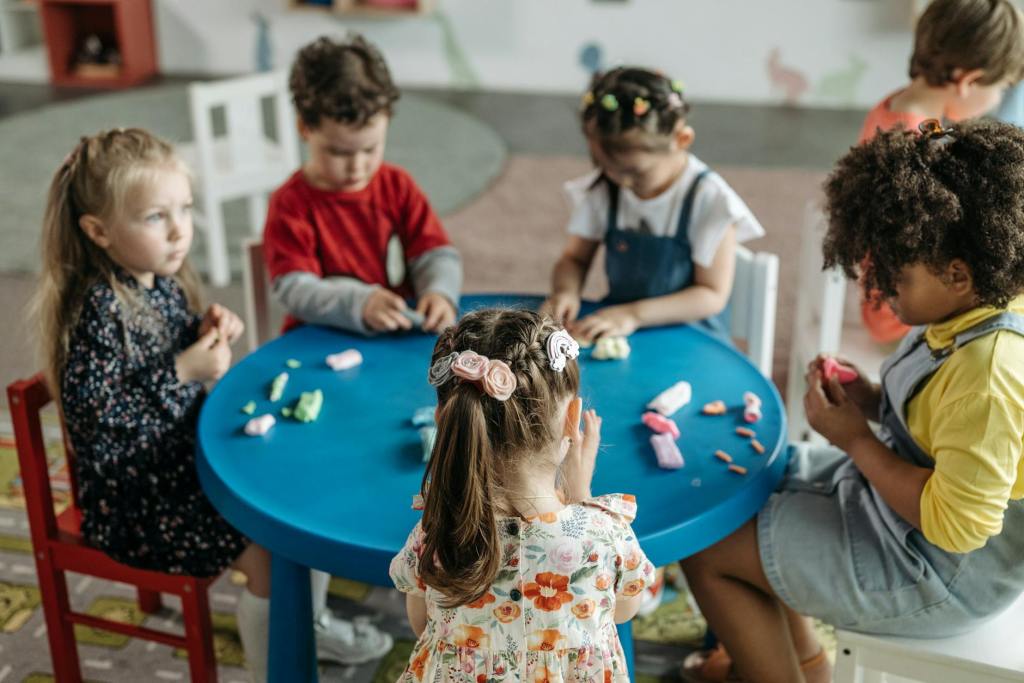
Through my daughter’s school experience, we’ve met families from across the neighborhood. She’s made close friends and been invited to countless birthday parties — and I’ve felt welcomed by the parents who are happy to answer any questions I have had. Even as a newcomer to Spain, I felt welcomed and supported thanks to these everyday connections.
For foreign families especially, these early years can be a key moment for forming friendships and getting involved locally.
When and How to Apply
- Municipal and subsidized centers: The application period is in April for September entry, with admitted lists published in May. If you are applying outside of the window (like my family did), you can reach out to the school directly and inquire about availability and enrollment process.
- Private centers: Apply year-round, but it’s wise to start early — especially for popular bilingual or Montessori options.
- You’ll need documents like NIEs, empadronamiento (for public centers), and proof of income for subsidized programs.
What to Consider
- Does the staff support your child’s development beyond academics?
- → Are they active partners in helping with toilet learning, healthy sleep routines, and mealtime independence?
- How does the environment feel to you?
- → Does it feel warm, safe, and emotionally attuned — the kind of place you’d want to spend your day if you were two?
- What rhythm do you want for your child — and yourself?
- → Do you need full-day care or just a gentle morning routine that eases your child into group life while giving you space to work or settle in?
While Primer Ciclo de Infantil isn’t mandatory, it can be an essential part of your child’s early development — and a strategic advantage when applying to public or concertado schools later. Whether you’re seeking structured play, language immersion, or simply a break in your day, there’s a wide range of care and early learning options across Málaga and the Costa del Sol.
For community and support from other parents, join our Facebook group!




 Españaula Blog: Your Guide to Schools & Education in Málaga & the Costa del Sol
Leave a comment