

Málaga has become one of the most popular destinations for families moving to Spain, however, moving to a new country comes with challenges — especially when it comes to navigating schools, housing, and adjusting to a new lifestyle. Here are five essential tips every expat or immigrant family moving to Málaga should know to make the transition as smooth as possible.
1. Understand the Spanish Education System Early
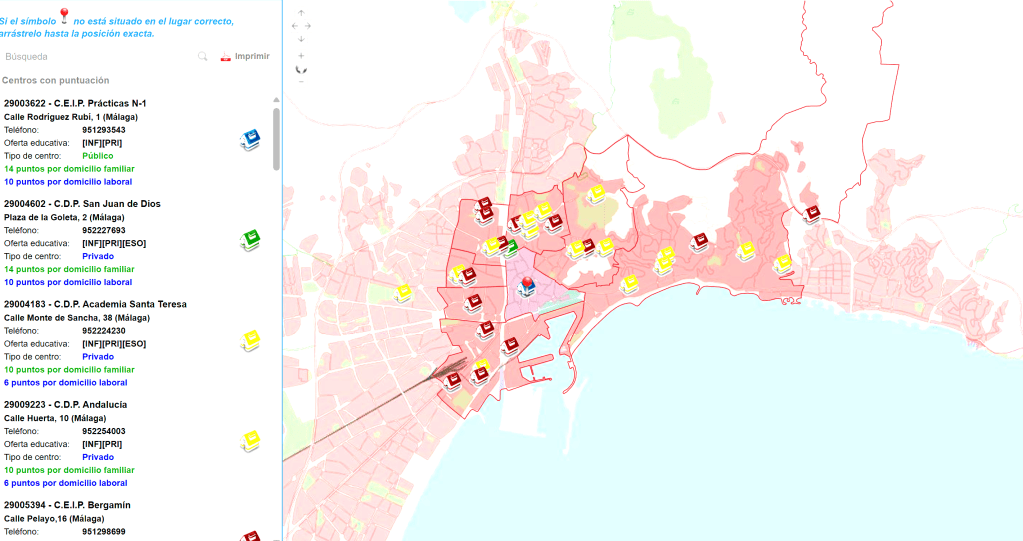
One of the most important steps for expat families relocating to Málaga is understanding how the Spanish education system works.
In Spain, there are three main types of schools:
- Public schools (escuelas públicas), which are free and funded by the government.
- Semi-private schools (concertados), which are partially funded and usually have small monthly fees.
- Private and international schools, which offer bilingual education or follow other curriculums (British, American, French, etc.).
2. Choose the Right Neighborhood for Your Family
Málaga offers a variety of family-friendly neighborhoods, but each area has its own vibe and school access. Here are some top picks:
Teatinos
A modern, residential area popular with young families and professionals. It’s home to the university, top-rated public and concertado schools, wide sidewalks, and plenty of playgrounds.
- Why families like it: Clean, quiet, safe, with a strong local community and lots of green space.
- Schools: Good selection of public and semi-private schools within walking distance.
- Extras: Certain zones are well-connected by metro, with shops, cafés, and medical centers nearby.
Cerrado de Calderón
An upscale hillside neighborhood with a suburban feel. It’s ideal for families looking for a quiet, residential setting and access to top international schools like the British School of Málaga and Lycée Français.
- Why families like it: Peaceful, green, and close to the beach and top schools.
- Consider: Best for families with a car, as it’s less walkable.
Huelin
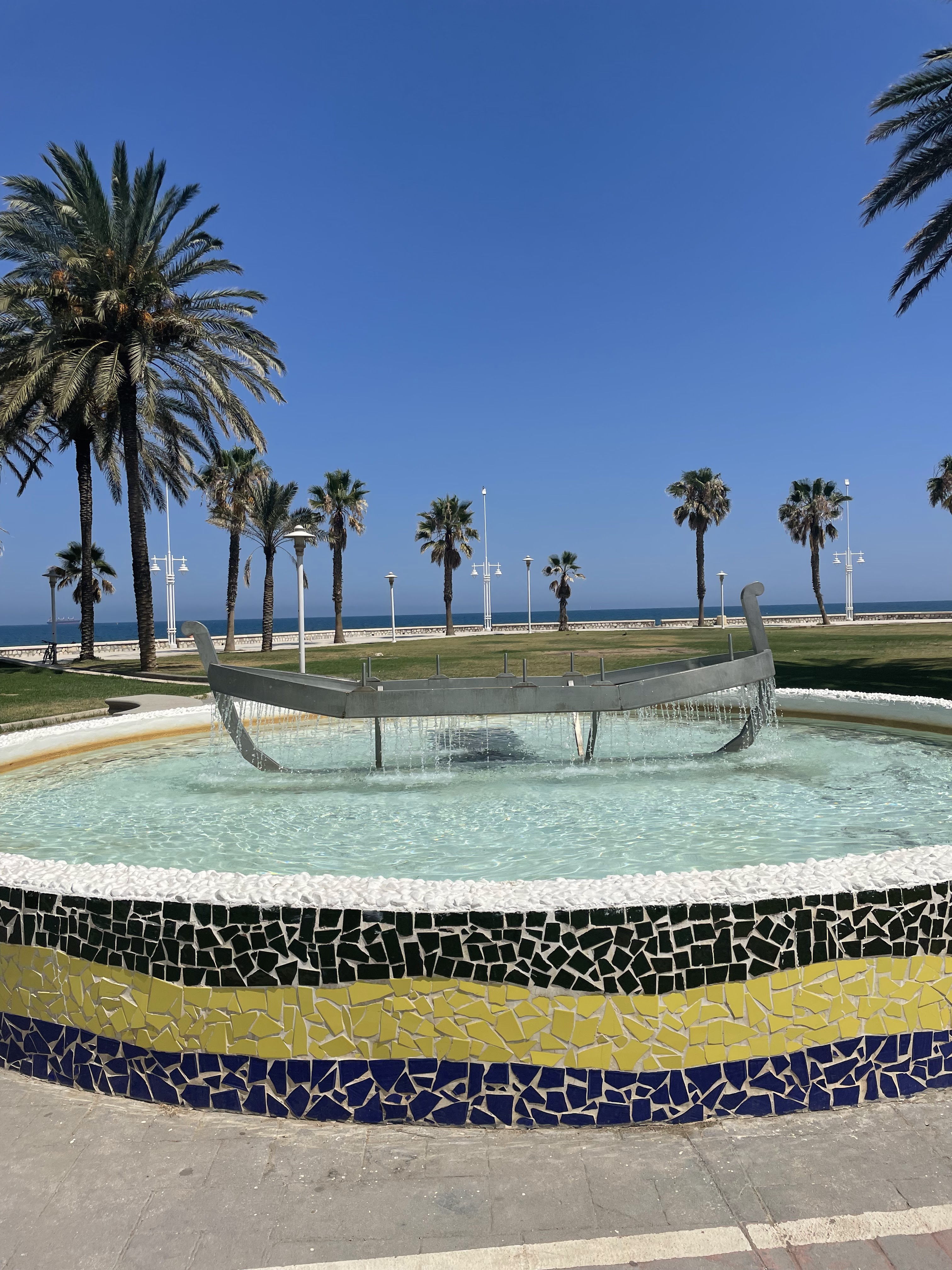
Located west of the center, Huelin offers a central location near the beach, plus excellent public transport links.
- Why families like it: Near the beach, plenty of restaurants, community-feel, easy access to the city.
- Well-connected: Close to the train station and metro.
La Victoria / Capuchinos
A central neighborhood just north of Málaga’s historic center. It offers a mix of traditional charm and urban convenience, with access to local schools and cultural sites.
- Why families like it: Walkable, lively, close to the old town and good schools.
- Feel: Urban, but community-oriented and full of character.rs and
3. Prepare for Bureaucracy (and Bring the Right Documents)
Spain’s bureaucracy can be overwhelming, especially for newcomers. To enroll your children in school or register with the local town hall (empadronamiento), you’ll need documents like:
- NIE (Foreigner’s Identification Number)
- Proof of residence (rental contract or property deed)
- Passports
- Birth certificates translated into Spanish (official translation often required)
4. Learn Some Spanish Before You Arrive
While Málaga is very international, of course all local Spanish schools and government offices operate in Spanish and not having a basic level will make certain processes more difficult and prone to error or delay.
5. Connect with Other Families Early
Building a community is key to feeling at home in Málaga.
There are many active expat groups, Facebook communities, and local meetups where you can find advice, support, and friendships.
Tip: Join Málaga-based parenting groups and expat forums even before your move. You’ll find tips on everything from finding a pediatrician to understanding Spanish school lunches!






 Españaula Blog: Your Guide to Schools & Education in Málaga & the Costa del Sol
Leave a comment