
Moving to Spain with children brings big changes—new routines, new schools, and for many, a new language. While the school system provides structured learning, many parents find themselves wondering: What else can we do to help our kids feel confident in Spanish?
Whether your child is fully immersed in a public school, attending a bilingual program, or you’re still figuring out the best educational path, there are many ways to support language development naturally—through summer camps, after-school activities, playground time, and more.
When Full Language Immersion Isn’t the Right Fit
Full Spanish-language immersion isn’t always the best choice for every child or family. For instance:
- Older children with no prior Spanish exposure may feel academically lost or isolated.
- Neurodivergent or highly sensitive kids may struggle emotionally with full-day immersion.
- Families still adjusting to an international move may need time to ease into local systems.
If you find that your child is anxious, frustrated, or not engaging at school, it may be time to consider complementary or alternative resources. These include:
- Private or international schools offering bilingual instruction or English-speaking support
- Tutors or speech therapists who specialize in second-language learners
- Part-time immersion or language camps to build basic skills before enrollment in a local school
- Supplemental activities that create social, low-pressure opportunities for language use
And if your child is attending a local public or concertado school, you might still want to reinforce their Spanish learning through more engaging and supportive environments.
Summer Camps: Language Immersion in Action
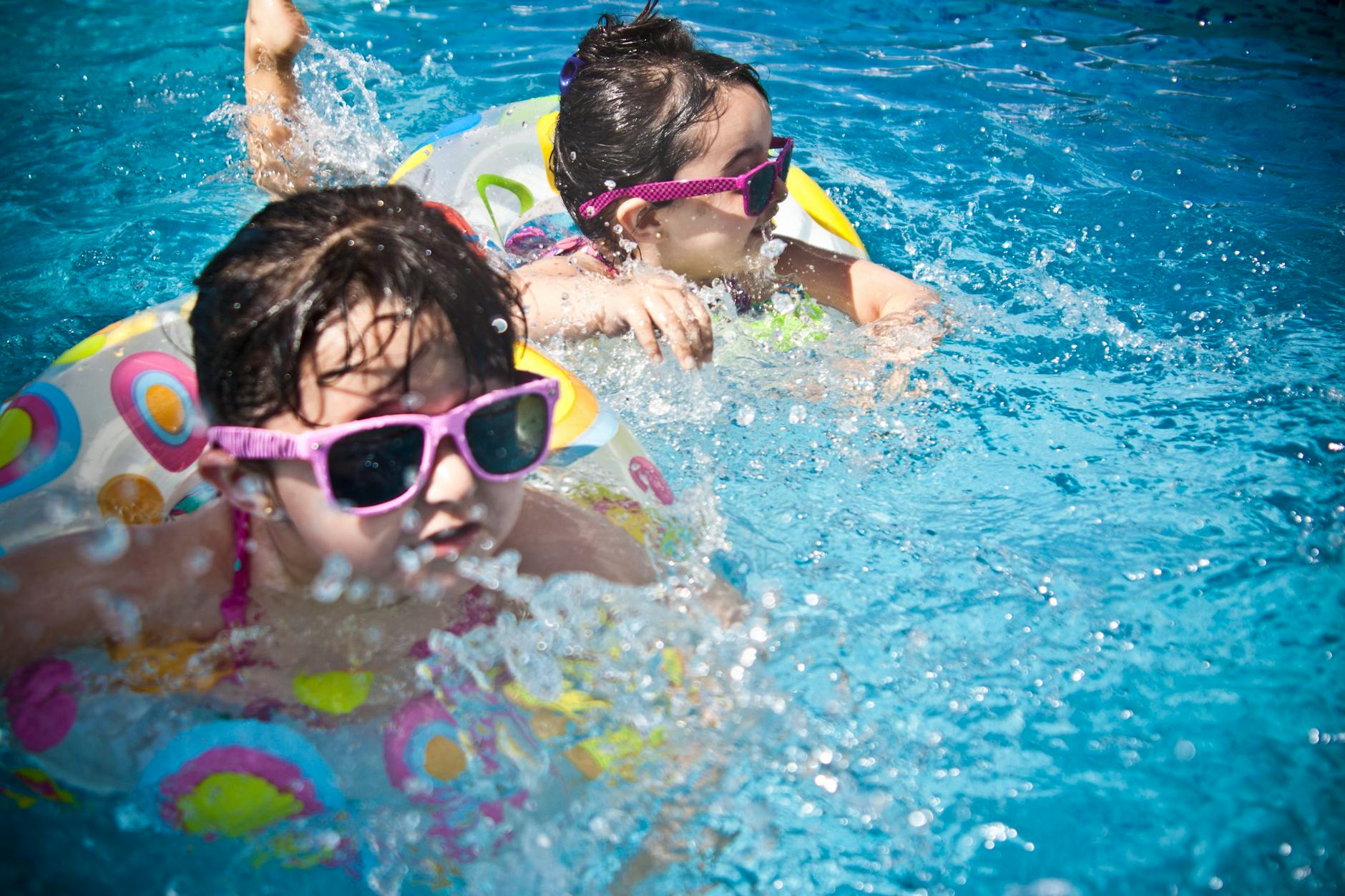
SIf you’re looking for a more formal but child-friendly introduction to Spanish, there are high-quality language academies and programs built specifically for young learners:
🌟 Vals Sports Camps
Vals offers fun, movement-based camps for kids that focus on physical activity, connection, and play—all in Spanish. Especially for younger children, these camps are a low-pressure way to engage with peers, pick up everyday vocabulary, and build confidence outside the classroom.
Vals is a great fit for:
- Newly arrived younger kids (at least age 3) who aren’t ready for academic language learning but want to socialize with peers
- Children who thrive in movement-based or less structured environments
📚 LAE Kids
LAE Kids is the children’s program from LAE, a reputable Spanish language school. They specialize in immersive, age-appropriate lessons for children of all ages, using play, storytelling, and games to teach Spanish naturally. Additionally, they have a camp for kids aged 4-12 in Madrid and Málaga.
LAE is ideal for:
- Families who want private or small-group lessons tailored to their child’s age and level
- Kids not yet enrolled in school who need some Spanish exposure beforehand
- Supplementing a public school experience with focused support
They also offer holiday courses and intensive sessions for kids visiting Spain or preparing to transition to a local school.
After-School Activities: Built-In Practice
Extracurriculars offer a natural, low-pressure setting for kids to use and hear Spanish while doing things they enjoy. Most public and concertado schools offer:
- Arts and crafts
- Music or instrument lessons
- Theater and dance
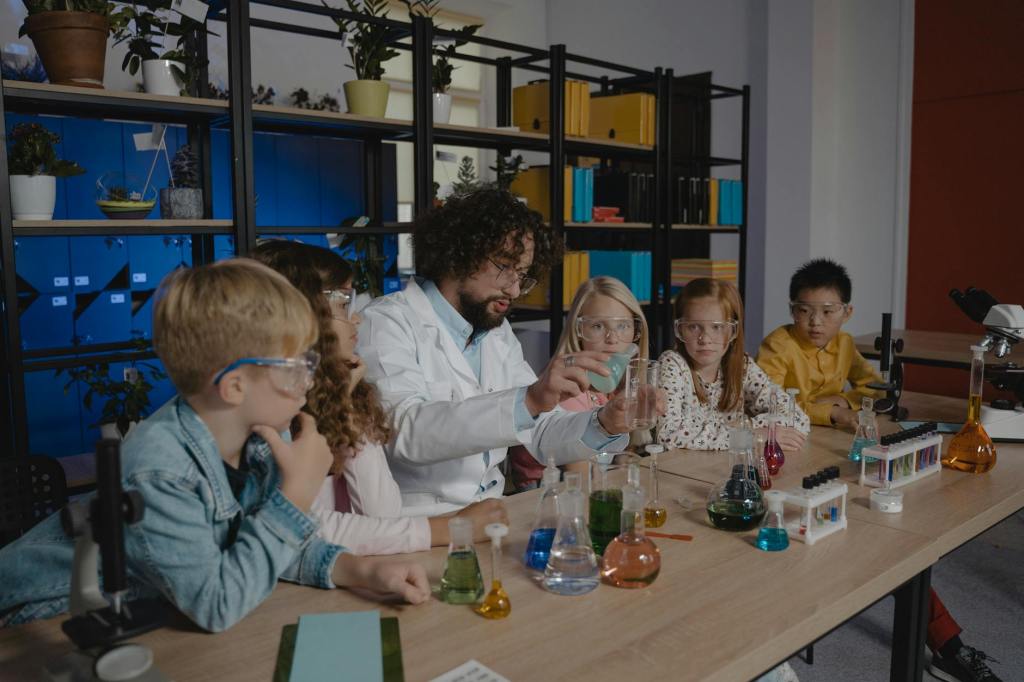
- Robotics or science clubs
In addition to school-based options, private local activity providers offer workshops or classes for kids in areas like sports, art, or dance.
Participating in after-school activities helps kids acquire language in a setting they may find more interesting, less-stressful, as well as an opportunity to pick up colloquial language.
Playgrounds & Parks: The Ultimate Language Lab

Never underestimate the power of the local playground.
- Kids hear and use real-life Spanish: asking to share, resolving conflict, joining games
- It’s unstructured, which helps build natural fluency
- Daily park visits help create routine and social bonds with local families (and it gives you as the parent an opportunity to set an example for you child when it comes to risk-taking and being vulnerable with language learning!)
Peak time for playgrounds is after school, between 5–7pm. Go regularly and your child will likely begin to recognize—and be recognized by—local peers.
Sports Teams: Language, Movement, and Belonging
Organized sports provide a mix of structure, repetition, and motivation—all essential elements for learning a language. From fútbol and basketball to martial arts or rhythmic gymnastics, your child will:
- Hear consistent vocabulary from coaches
- Practice listening and following instructions
- Form social bonds that extend beyond language
Joining a local team also helps kids feel more rooted in their new environment.
Parents: You’re Part of the Process, Too
Supporting your child’s Spanish journey doesn’t mean mastering the language yourself. But your involvement makes a big difference.
- Use Spanish in small, everyday moments—ordering at cafés, greeting neighbors, asking for help in shops
- Consider taking your own Spanish lessons (I’m fully bilingual with a native Mexican accent and even I take C2 lessons to build professional and academic vocabulary – learning never needs to stop!)
- Find other international parents—many are navigating the same path, and community support is key
Modeling patience and curiosity goes a long way, and your kids will notice and pick up on your practices!
Language Happens in Everyday Life
Whether your child is just beginning to explore Spanish or adjusting to full school-day immersion, language learning doesn’t have to be confined to the classroom.
Structured programs can provide targeted support, while everyday activities—playgrounds, after-school clubs, and summer camps—offer essential practice through real-life interaction.
The key is to meet your child where they are, build confidence through connection, and make Spanish something they use, not just study.
Language is everywhere—and so is the opportunity to grow!
To join our online, community, click below!



 Españaula Blog: Your Guide to Schools & Education in Málaga & the Costa del Sol
Leave a comment