

A gentle guide for families moving to Spain with non-Spanish-speaking kids
So you’re moving to Spain—or maybe you’ve just arrived—and your child doesn’t speak a word of Spanish. If you’re feeling a mix of excitement, guilt, worry, and “what have we done?”… you’re in good company.
As a parent and education consultant who’s supported families through this exact transition, I want to say this clearly: yes, your child can thrive in a new country—even if they don’t yet speak the language.
But that doesn’t mean the journey is always easy, especially in the beginning. This post is here to give you a grounded, honest look at how it works, what to expect in school, and what you can do to help.
What Happens in School When Your Child Doesn’t Speak Spanish?
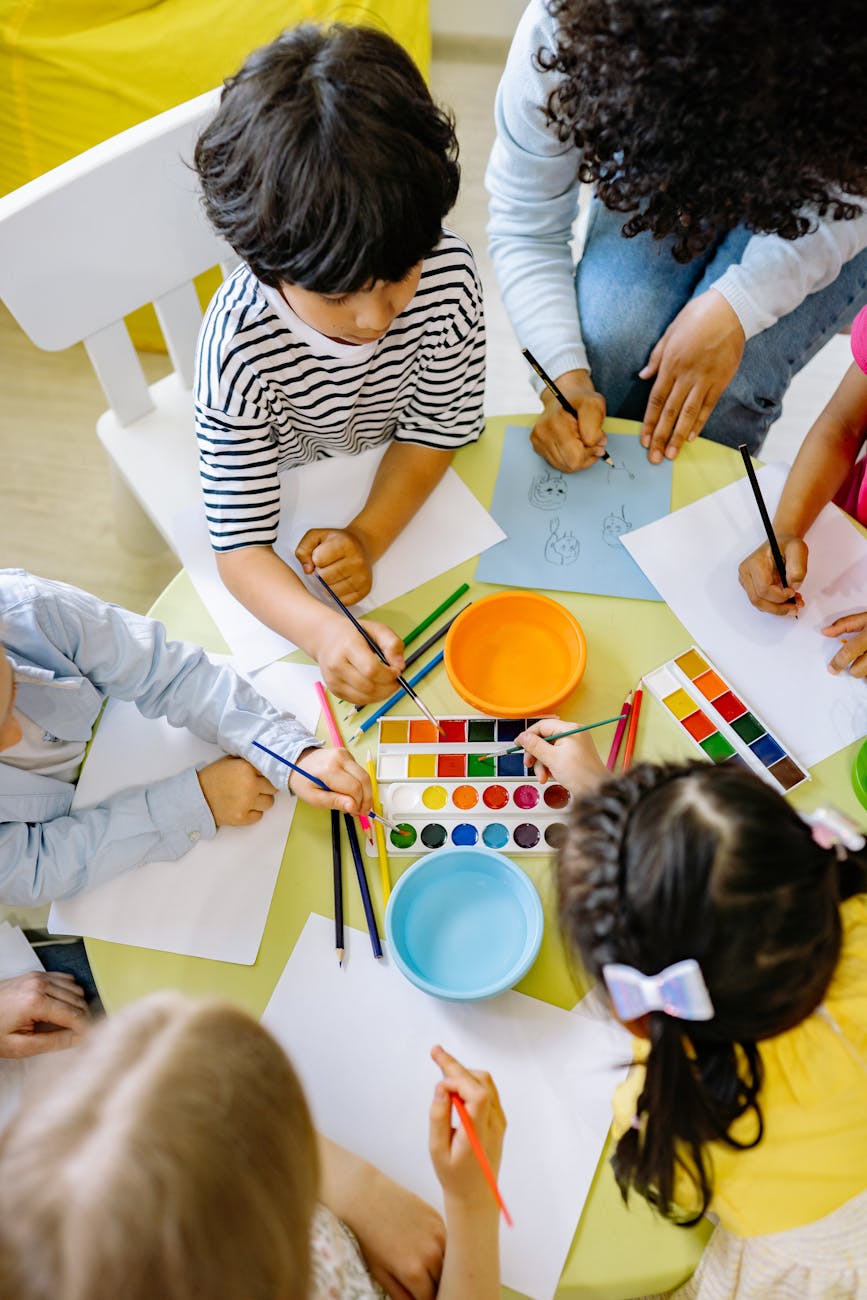
Here’s the good news: Spanish schools are used to welcoming newcomers. Between local moves and increasing international families, in many areas, it’s not uncommon for a child to join a class mid-year—or with limited Spanish.
When it comes to language, though, support can vary.
Your child may not receive formal “Spanish as a Second Language” instruction right away. While some urban areas offer aula de enlace or language support programs for newcomers, many public schools rely on the classroom teacher to integrate non-Spanish-speaking students through informal scaffolding and peer interaction.
This can work beautifully—especially with experienced teachers who understand how to support emerging bilinguals without overwhelming them. Some will pair your child with a buddy, simplify instructions, or use visual cues and repetition to build understanding naturally. Others may have less experience with multilingual classrooms, particularly in regions that don’t see as many international families.
The adjustment period will look different for every child. But over time, and with consistent routines and exposure, most children begin to understand more than they can say—and gain confidence through daily life, not just academics.
How Age and Individual Differences Affect Language Learning
Every child’s language journey is different, and age plays a big role. Younger children often pick up a new language more quickly because they’re in a natural stage of absorbing sounds, vocabulary, and social cues. But even among kids the same age, you’ll see wide variation.
While less common, some children who attend English-speaking schools in Spain pick up Spanish within a year simply by playing with neighborhood kids and absorbing daily life. Others learn very little, especially if they spend more time at home speaking their native language.
On the other hand, some kids in Spanish-speaking schools still take several years to feel fully comfortable with both academic Spanish and everyday conversations, while it’s not uncommon for preschoolers to be fairly fluent within 6 months. Learning a language is not just about time—it’s about opportunity, exposure, personality, and sometimes just how a child processes new information.
The key is to be patient, provide consistent support, and remember that progress often happens in fits and starts rather than on a steady timeline.
What You Can Do to Help (Without Overwhelming Them)

As a parent, your job isn’t to become a language teacher overnight. Instead, think of yourself as creating a soft landing—making space for connection, curiosity, and confidence.
Start small at home:
- Watch simple Spanish shows or read picture books together—even 10 minutes a day adds up.
- If you don’t speak Spanish, learn alongside your child!
- Celebrate effort, not fluency. “You said gracias when we left the restaurant! That’s awesome!” goes further than grammar drills.
Get them used to hearing Spanish:
- Listen to Spanish music in the car or kitchen.
- Make sure they join along on daily errands, no matter how mundane.
- Choose activities with other kids—even if no one speaks the same language.
Connect with your child’s teacher:
Once school starts, keep the communication line open. It’s okay to ask:
- How are they adjusting socially?
- Are there any classroom routines or vocabulary we can reinforce at home?
- Is there a buddy system or another non-Spanish speaker in the class?
And if you need help translating a note or message, ask in your parent WhatsApp group—someone will usually jump in to help.
What to Expect Emotionally (for Both of You)
Even confident, curious kids may feel overwhelmed at first. They may come home exhausted, frustrated, or quiet. Some don’t want to go back. Others seem totally unfazed—and then have a meltdown two weeks in. All of this is normal.
You might feel helpless at times, especially if your child can’t fully explain what’s going on at school. That’s normal, too.
Here’s what I remind families:
- Kids often understand more than they can say—and comprehension grows faster than speech.
- Emotional safety is key. If your child feels seen, supported, and safe, the language will come.
- Be patient with yourself, too. You’re navigating a huge change.
They Don’t Need to Be Fluent to Be Okay
So many families arrive in Spain worried that their child is “falling behind” or won’t understand anything. But kids are remarkably resilient. They learn through play, routine, and relationships.
Will your child be okay?
Yes. Not overnight. But yes.
With time, support, and space to grow, they’ll find their footing—and maybe even thrive in ways you didn’t expect.
If you’re in the middle of this transition and feeling a little unsure, you’re not alone. These are big changes, and it helps to connect with others going through something similar. You’re always welcome in our Facebook community—it’s a space for questions, shared experiences, and a bit of reassurance along the way.



 Españaula Blog: Your Guide to Schools & Education in Málaga & the Costa del Sol
Leave a comment