
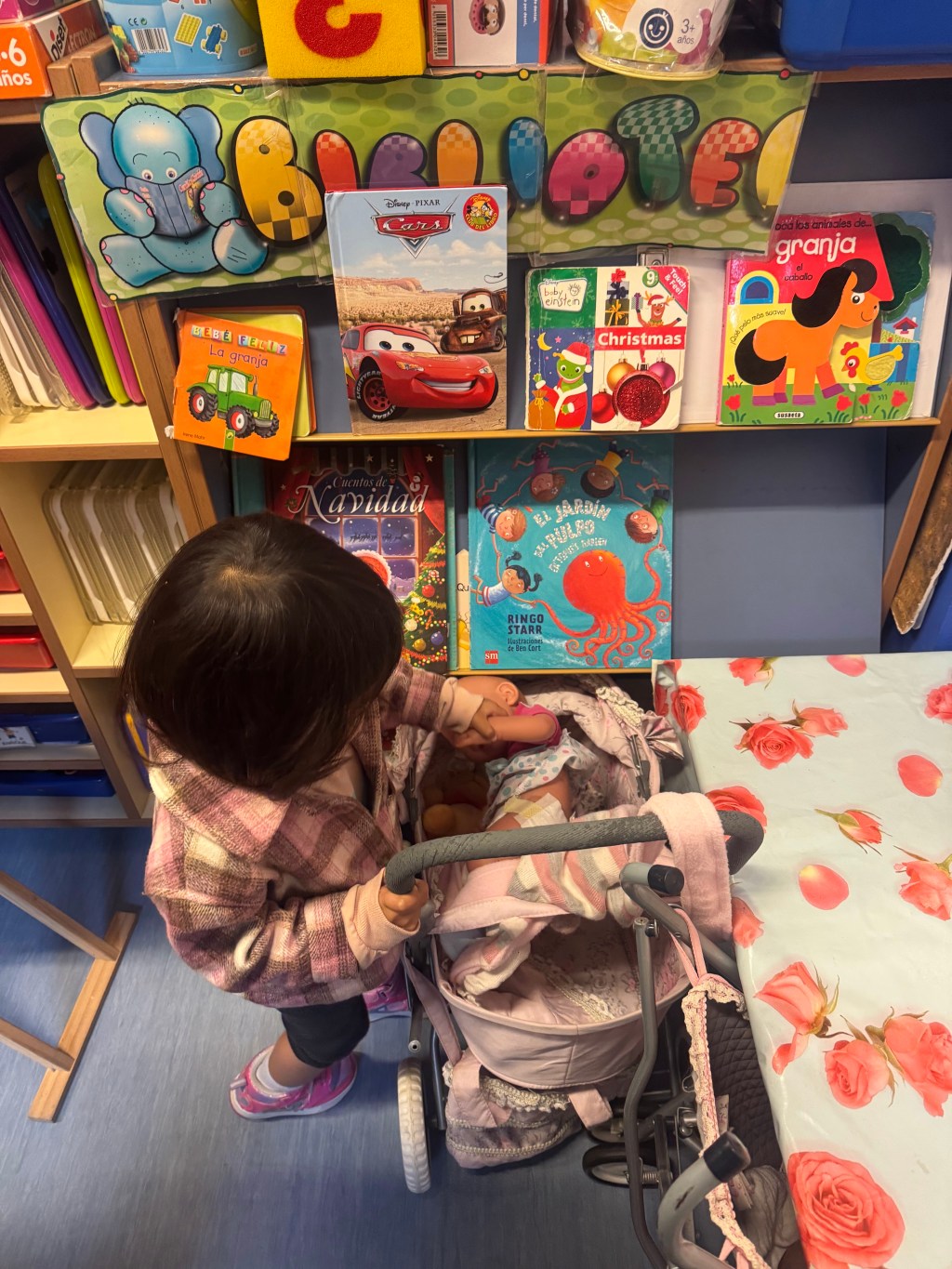
One of the greatest gifts of raising children abroad is the opportunity for them to become naturally multilingual. But for many families, the transition can bring questions: Will my child forget our home language? Will Spanish take over? Can they really handle both?
As a bilingual parent raising a bilingual toddler in New York City, and now Spain, and someone who supports other families through this journey, I’ve learned that the answer isn’t black and white. Multilingualism is a beautiful, nuanced, lifelong process—but it takes intention, patience, and flexibility.
It Starts with Consistency, Not Perfection
In our home, we now speak mostly English (in NYC we spoke exclusively Spanish.) As the dominant language (now Spanish) is everywhere: in the playground, at school, in songs and books, and when we’re out in the community, I’ve always made it a point to have a non-dominant language expectation at home. I’ve seen firsthand how quickly young children absorb the dominant language around them—especially when they’re immersed in formal education settings. That’s a wonderful thing, but it also means your home language needs regular reinforcement to stay strong.
Consistency is just a powerful as quantity. Even if you’re not speaking your home language 100% of the time, routines matter. Reading bedtime stories in your language, using it during meals or errands, and having designated “language-only” settings (like home) can go a long way.
Leverage Books, Music, and Screen Time

One of the easiest ways to maintain a home language is by making it part of your child’s daily entertainment. In our house, we keep a steady rotation of English-language books, songs, and shows. Ms. Rachel is now my daughter’s English teacher. We use American shows to reinforce vocabulary, tone, accent, and even humor that’s specific to our cultural context.
If you have family abroad, consider asking them to send books or audio messages. Hearing other voices speaking your home language adds depth and connection, especially if you’re the main speaker.
Supplementing Grammar, Reading & Writing as They Grow
As children get older, speaking and listening will continue to aid their verbal and receptive fluency, but is not enough to allow their reading and writing literacy to grow or maintain at a fluent level. Around age 6 or 7, it’s helpful to introduce more formal exposure to reading, writing, and grammar in that language—especially if they’re receiving academic instruction fully in Spanish.
Some families hire tutors who specialize in bilingual or literacy support to work on writing, spelling, and reading comprehension in their home language. Others enroll their children in online courses, weekend language schools, or summer camps in their home country or language. A few weeks a year immersed in a fully English-speaking (or any other language) environment can make a huge difference in language confidence and fluency.
This also helps prepare kids for future transitions—whether that’s returning to school in your home country, applying to international programs, or simply being able to read and write comfortably for personal or professional reasons.
You don’t need to do it all at once. Just keep the door open and check in regularly on how your child is feeling with their different languages.
Find (or Build) a Community
Living abroad can feel isolating at times, especially when you’re parenting in a language different from those around you. Connecting with other families who share your language can be grounding—not just for you, but for your kids too.
Whether it’s a casual weekly playgroup, a bilingual storytime, or just making a point to visit English-speaking friends, those interactions reinforce that your language is part of a bigger community.
If you can’t find a group, consider starting one. A simple “anyone up for an English park meet-up this Friday?” post in a local Facebook group might be all it takes. While I make it a point to accept all birthday invitations and playdates from local families to truly integrate, I also make sure to seek out native English-speakers to maintain a connection to language, and even culture for myself and my daughter.
Don’t Worry If It’s Messy
Bilingual and multilingual kids often mix languages, invent words, or go through phases where they strongly prefer one over the other. This is normal. It doesn’t mean you’re doing anything wrong—it means their brains are sorting things out.
You might even notice that your child uses your home language with an accent at times or forgets certain words and invents others. That’s okay. These waves come and go, and the most important thing is to keep the language alive—not perfect. Sometimes my daughter speaks fully in one language, or the other, and sometimes she is switching languages every other word in a sentence. It’s interesting, entertaining at times, but at the end of the day, it’s beautiful to see how well her mind absorbs two different languages at once.
Remember the Long Game
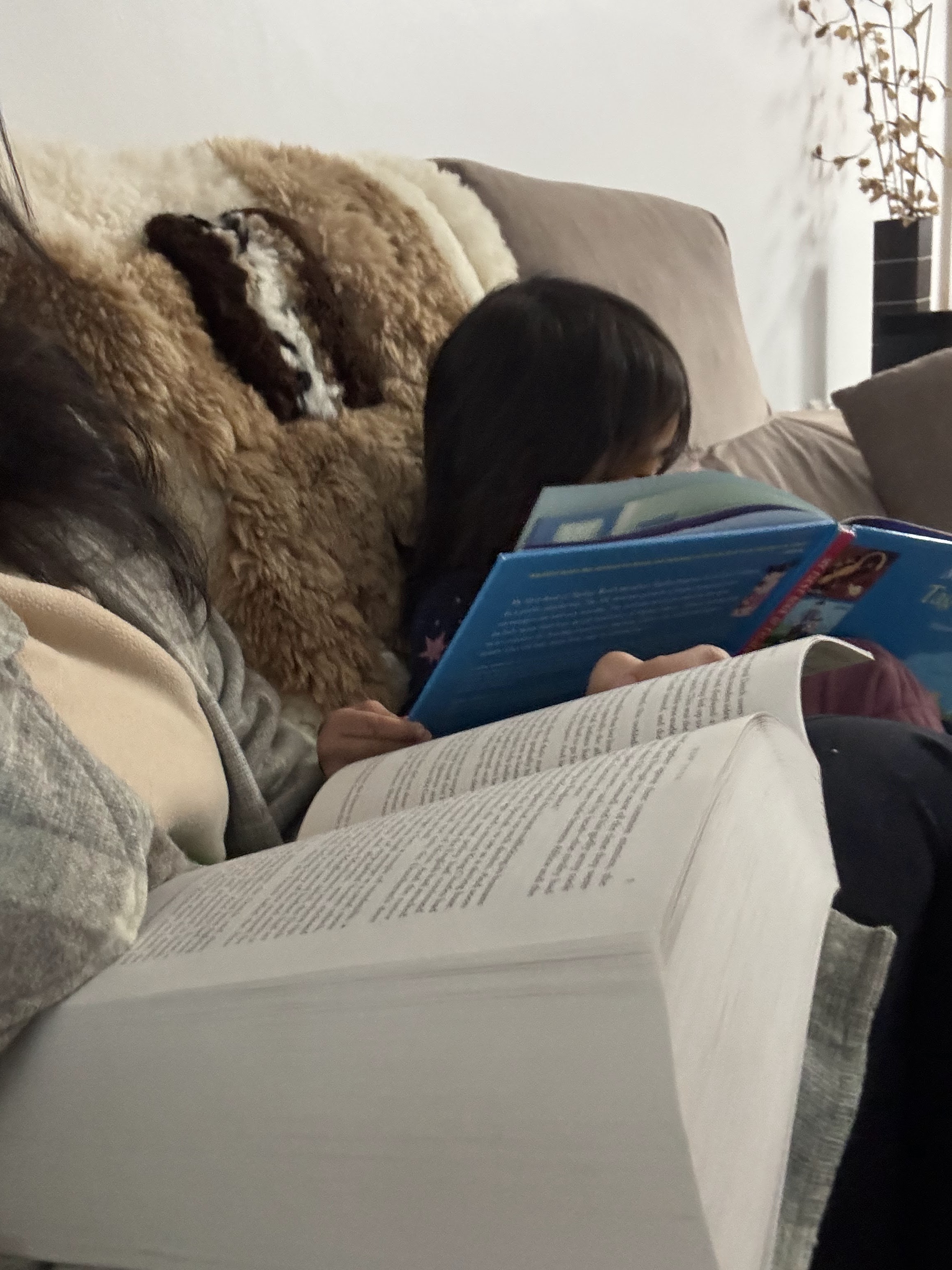
Multilingualism is a marathon, not a sprint. Your child might speak more Spanish at age 4, lean into English by age 8, and toggle between the two effortlessly by 12. Or they might need support in reading and writing in your home language later on. Every family’s path is different.
What matters is that your child feels pride in their languages and skill, sees them as tools—not burdens—and knows they’re part of who they are.
If you’re moving to a new country and hoping to raise a multilingual child, you don’t need to limit one language for another to flourish.
At Españaula, we support families as they adapt to new school systems. If you’d like guidance navigating Spanish education or parenting abroad, join our community below.



 Españaula Blog: Your Guide to Schools & Education in Málaga & the Costa del Sol
Leave a comment