One of the first questions families ask when moving to Spain is, “What kind of school is best for my child?” While many choose the traditional Spanish public or concertado system, especially as a quicker route to Spanish-language acquisition, others look for something more progressive—an environment that prioritizes creativity, independence, and hands-on learning. On the Costa del Sol, and Spain in general, those options have traditionally been limited, however, while still small in number, are growing.
Why Families Seek Alternatives
The Spanish education system is well-regarded for its clear structure, academic foundations, and emphasis on core subjects. Children often develop solid skills in reading, writing, and mathematics from an early age, and schools place importance on consistency in routines. Many families value the sense of community in Spanish schools and the stability that comes with a well-established national curriculum.
At the same time, some international families find the approach to be more traditional and teacher-led than what they are used to. In primary school (though this is still very school-dependent), there can be a heavier focus on worksheets, memorization, and exams, which may not suit every child’s learning style. Parents who prefer a more curiosity-driven, creative, or hands-on approach sometimes explore alternative models like Montessori, project-based schools, or outdoor-focused programs to balance out what they feel is missing.
Montessori Schools
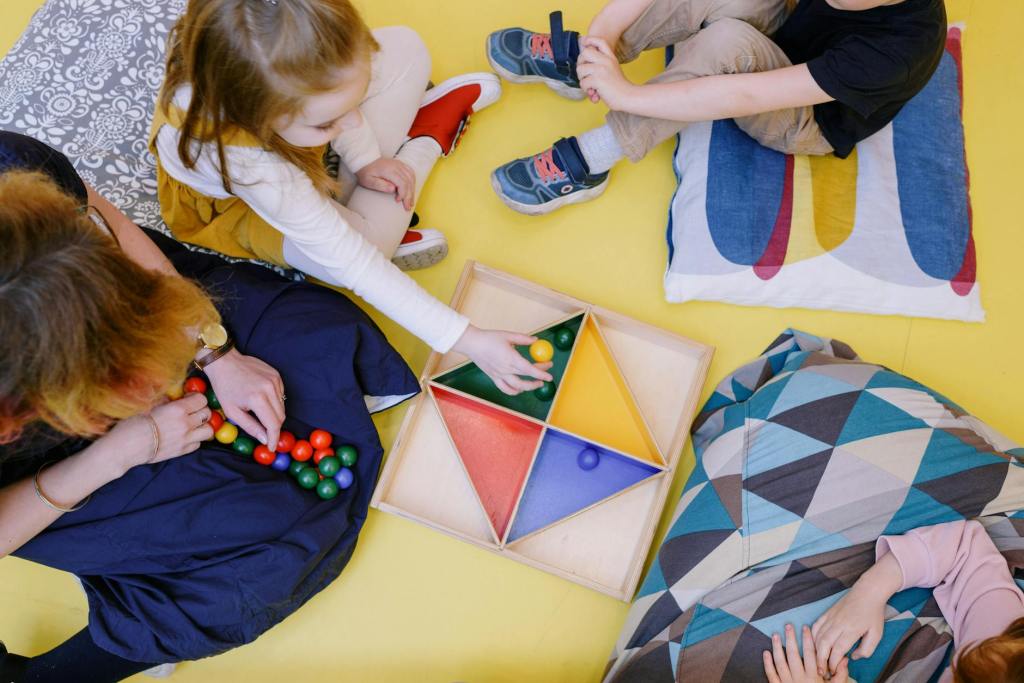
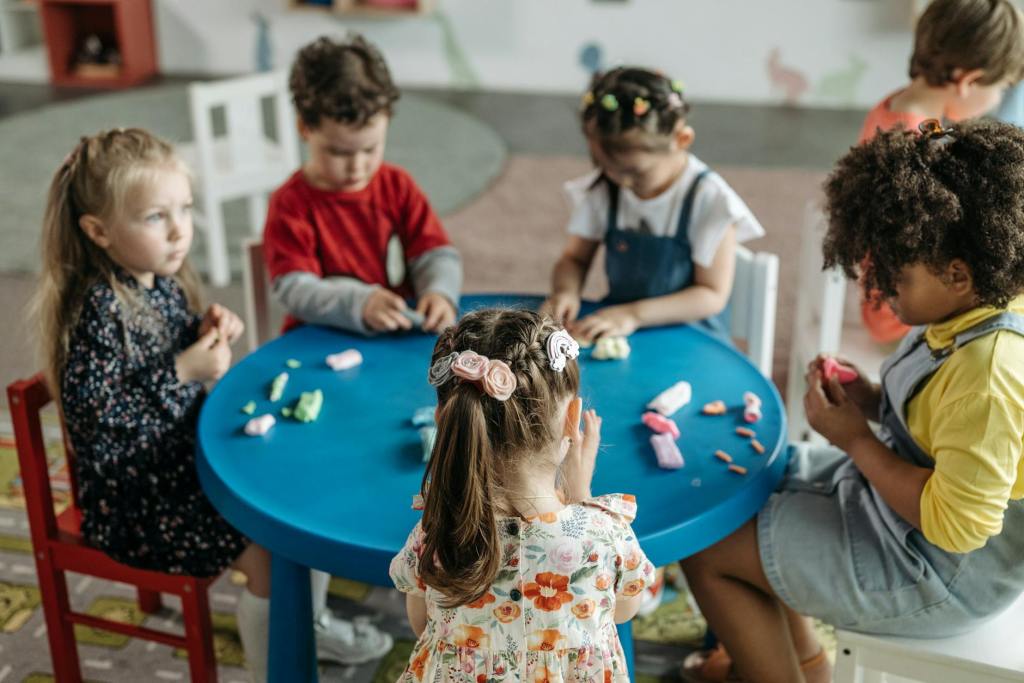
Montessori education has been steadily gaining traction in Málaga and along the Costa del Sol, appealing to both international families and Spanish parents who want something different from the traditional system. The Montessori approach emphasizes independence, practical life skills, and self-motivation, with classrooms designed to give children freedom within structure.
You’ll often find mixed-age groups working together with children moving through hands-on materials at their own pace, choosing activities that spark their interest, while teachers act as guides.
For families new to Spain, Montessori schools can also feel like a smoother cultural bridge. Many offer bilingual or international programs, and the emphasis on child-led learning often resonates with parents used to more progressive systems abroad.
- Options include Casa del Mar Montessori in Marbella, Centro Internacional María Montessori in Málaga, and International Montessori School in Sotogrande.
Forest School
With its sunny climate most of the year, the Costa del Sol is perfect for outdoor learning. Forest schools and nature-based programs allow children to learn through hands-on exploration, imaginative play, and a close connection to the natural environment. Classes often take place outdoors, regardless of weather, giving kids the chance to develop resilience, collaboration, problem-solving skills, and creativity in a real-world setting.
Located just outside of Sotogrande, Alma Forest School is a progressive international school for children aged 3–14. The school emphasizes a project-based approach to learning, allowing students to co-create the curriculum based on their interests. Situated on a Spanish finca, students learn surrounded by expansive views and have access to fields, trees, and animals, integrating nature into their daily learning experiences.
International Schools
Beyond Montessori and forest schools, there are private international schools on the Costa del Sol that follow progressive, project-based learning models. These schools often use English as the main language and emphasize critical thinking, collaboration, and real-world projects over rote memorization.
Schools like Shine International School and Novaschool Sunland offer project-based learning programs that encourage creativity, inquiry, and hands-on engagement, giving children opportunities to explore subjects in depth rather than relying solely on worksheets or exams.
Additionally, there are a few Scandinavian schools (Swedish, Norwegian, Finnish) along the coast. These schools primarily serve children from those countries and often have language requirements or enrollment priorities, but for families entering preschool, they might be an option. Scandinavian schools are known for their progressive models, with a strong emphasis on child-led learning, social-emotional development, and outdoor play.
Progressive Public Options in Málaga City
While most progressive schools on the Costa del Sol are private, there are a few public primary schools in Málaga city with a more modern approach:
- CEIP Rectora Adelaida de la Calle – Inspired by the Finnish model, this school emphasizes child-led learning, active participation, and reduced focus on memorization.
- CEIP El Gracia – Known for integrating project-based and experiential learning into the public school setting.
One thing to keep in mind is that public school enrollment is prioritized by a points system, with top points awarded to living in the catchment zone, as well as other points awarded for siblings, and other family factors.
The Costa del Sol offers more than just the traditional Spanish schooling model. For families seeking creativity, independence, and a closer connection to nature, there are a growing number of progressive options—both private and public. At Españaula, we help families navigate these options, providing guidance and resources to make informed decisions for your child’s education journey.


 Españaula Blog: Your Guide to Schools & Education in Málaga & the Costa del Sol
Leave a comment